Running Is Free… So Why Does It Cost So Much?
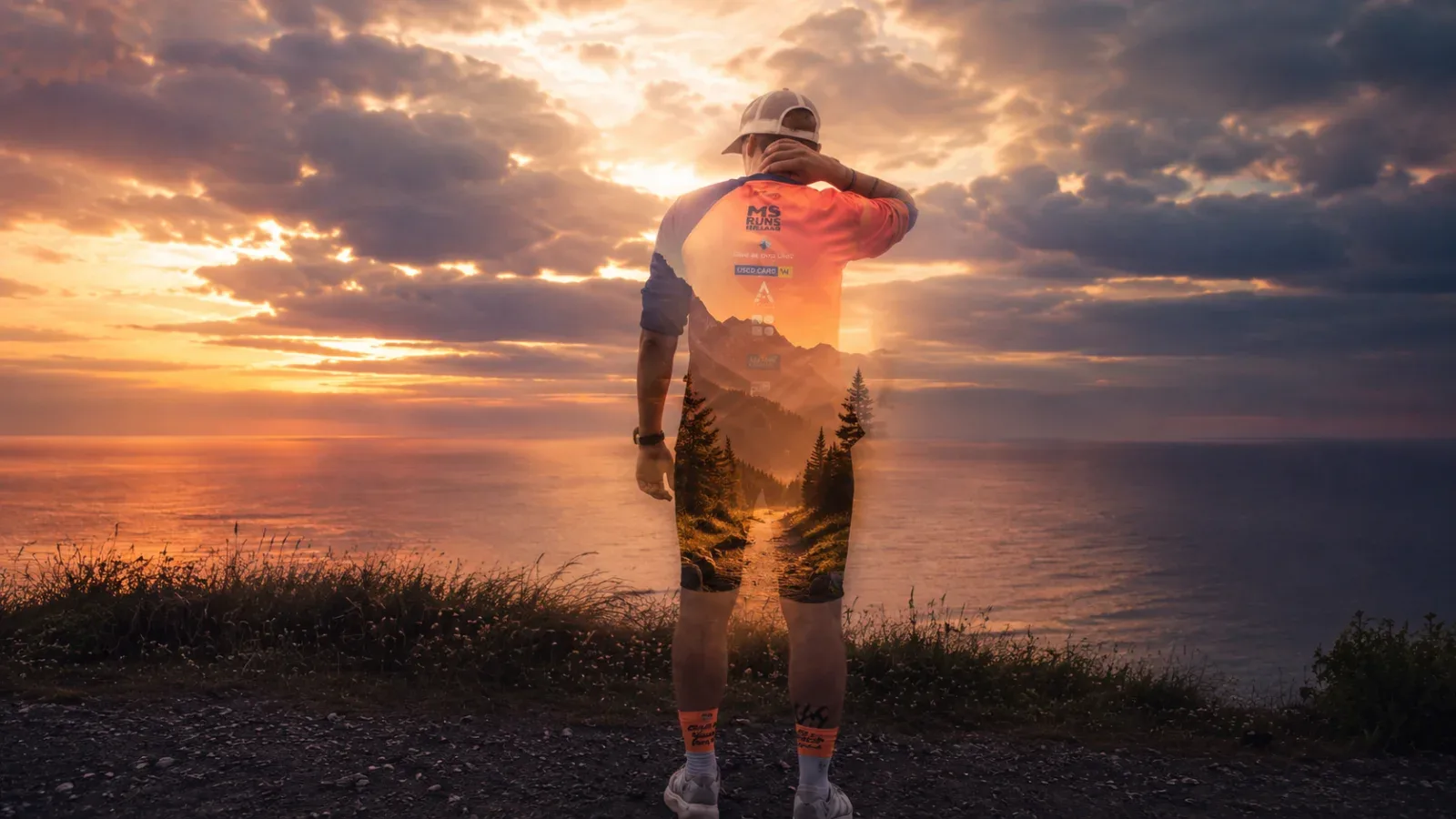
No pitch, no court, no gym, no membership — just you and a pair of trainers. So why does my bank account tell a completely different story?
Running is one of the only sports where you can literally open your front door and get started.
No pitch. No court. No gym. No membership. Just you and a pair of trainers.
So why does my bank account tell a completely different story?
Somewhere along the way, running quietly became… expensive.
We Keep Buying Stuff…
When I first started running, I thought all I needed was a pair of shoes. How naïve.
Before long I had five pairs of running shoes, a GPS watch, a hydration vest, carbon-plated race shoes, recovery boots, electrolytes, gels, recovery shakes, compression socks, toe socks and socks for the toe socks.
Every year there's something new that's supposedly going to make us faster. Marketing is brilliant.
But Are We Actually That Much Faster?
Forty years ago, runners didn't have carbon shoes. They didn't have GPS watches. They didn't have VO₂ max scores, recovery readiness, AI coaching or carbohydrate drinks with names that sound like rocket fuel.
Yet back in 1985, the marathon world record stood at 2:07:12. In 2026, Sabastian Sawe became the first person to officially run a marathon in under two hours, setting an incredible new world record of 1:59:30.
That's a difference of 7 minutes and 42 seconds.
Forty years. Millions spent on research. Super shoes. Super gels. Sports science. Altitude camps. Recovery technology. And the fastest human on Earth is less than eight minutes quicker over 26.2 miles.
That's incredible progress… but maybe not quite enough to justify £320 trainers every six months.
Then Come The Events…
A local 10K? £20–30. Half marathon? £40–50. Marathon? £70–100. Ultra? £100… £200… sometimes even more.
And if you've completely lost your mind, you can pay around £38,000 to run seven marathons on seven continents in seven days.
Imagine explaining that to your family. “What did you spend forty grand on?” “Running.”
Here's The Funny Part…
You know what? I'd still love to do it.
Which made me realise something. We're not paying to run. We're paying for everything around the run.
What Are We Really Buying?
We're buying the atmosphere. The countdown. The nervous chat at the start line. The volunteers cheering. The finish arch. The medal.
The race photos you'll definitely never buy… but you'll still spend twenty minutes looking through them.
We're buying memories.
There's Another Reason…
Accountability.
If I tell myself “I'm running 20 miles on Saturday,” there's a reasonable chance I stay in bed.
If I've paid £95 to enter an event, suddenly I'm up at 5am pinning a race number to my vest while questioning every life decision I've ever made.
Money is surprisingly motivating.
Then Along Comes Parkrun…
Every Saturday morning. Free. Timed. Friendly. Thousands of runners.
It quietly proves that running doesn't need to cost anything to be brilliant.
Although… most of us spend more in the café afterwards than we ever would entering a race. So perhaps marketing still wins.
Is Marketing The Villain?
Not really. Race organisers have road closures, insurance, medical teams, medals, timing chips, volunteers and toilets to sort out.
There's a huge amount that goes into putting on a safe event. People deserve to earn a living from creating experiences we all enjoy.
Without them, there wouldn't be much of a running community.
So Why Do We Keep Paying?
Maybe it's the medal. Maybe it's the atmosphere. Maybe it's because suffering with 3,000 other runners somehow feels more enjoyable than suffering on your own.
Or maybe humans simply like belonging to something bigger than themselves.
Running may be free. But the stories, the laughs, the people you meet, the finish-line hugs — those are the things we're really paying for.
Final Thoughts
Running may be free. But the stories, the laughs, the people you meet and the finish-line hugs — those are the things we're really paying for.
And somehow, they always seem worth it.