SiS Beta Fuel – Rocket Fuel or Wallet Destroyer?
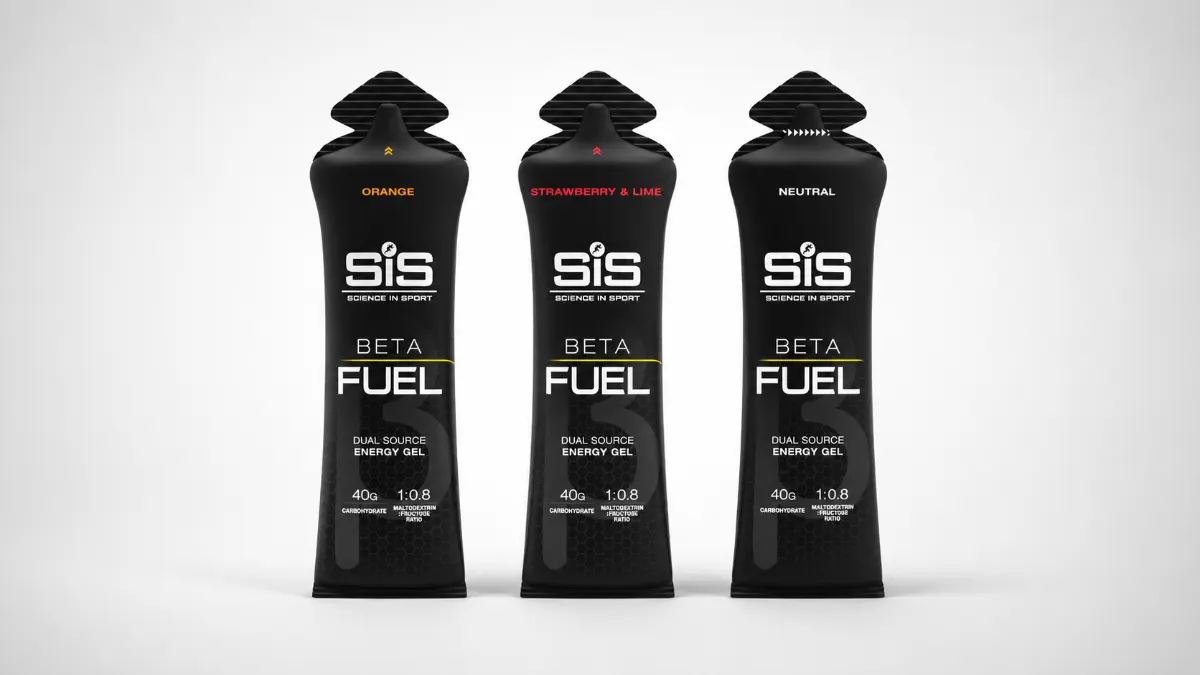
It's expensive… but it's good. One gel gives you 40g of carbs — once you do the maths, the price difference isn't what it seems.
Spend enough time around marathon runners or ultra runners and you will eventually hear someone mention SiS Beta Fuel.
It is usually followed by the same sentence:
“It’s expensive… but it’s good.”
That probably sums it up better than anything else.
SiS Beta Fuel has become one of the most popular endurance nutrition products because it allows runners to take on a large amount of carbohydrate without needing to carry a pocket full of smaller gels. For long races, where keeping energy levels topped up can become a challenge in itself, that can make a real difference.
The Numbers
One standard SiS Beta Fuel Gel contains approximately:
- Calories: 160 kcal
- Carbohydrates: 40g
- Sugars: 19g
- Protein: 0g
- Fat: 0g
- Salt: 0.10g
The exact values can vary slightly depending on the flavour.
A traditional energy gel will often contain somewhere between 20–25g of carbohydrate. Beta Fuel gives you 40g in one serving.
In simple terms, one Beta Fuel gel can do the job of almost two standard gels.
Gel Comparison
How does it stack up against the cheaper SiS GO Isotonic Gel? Per gel:
- Calories (GO Isotonic): 87 kcal
- Carbohydrates (GO Isotonic): 22g
- Sugars (GO Isotonic): 1g
- Salt (GO Isotonic): 0.10g
At first glance, the GO Isotonic Gel looks like the cheaper option. However, one gel only provides 22g of carbohydrates, compared to 40g in a Beta Fuel Gel.
If your goal is to maximise carbohydrate intake during a marathon or ultra, you'll need almost two GO Isotonic Gels to equal the carbohydrates in one Beta Fuel Gel. Once you factor that in, the price difference becomes much smaller, while you're also carrying twice as many gels and dealing with twice as many wrappers.
Why Is It Different?
Beta Fuel uses a 1:0.8 glucose-to-fructose ratio, allowing your body to absorb more carbohydrate than traditional single-source carbohydrate gels. The science is complicated, but the outcome is simple.
More fuel.
Less hassle.
Potentially fewer stomach issues.
One of the biggest advantages is how easy Beta Fuel makes your race nutrition.
If you’re aiming for 80g of carbohydrates per hour, simply take two Beta Fuel gels.
No mental maths.
No trying to remember if your last gel had 20g, 22g or 25g.
Just simple fuelling.
It is also brilliant for runners who struggle to eat solid food during races. Bananas, flapjacks and sandwiches are fantastic, but after several hours on your feet chewing isn’t always appealing.
Sometimes you just want to get the fuel in and keep moving.
The Downsides
No nutrition product is perfect.
Beta Fuel is thicker than many standard gels, so some runners find it a little sticky or overly sweet. Taking a few mouthfuls of water afterwards usually solves that problem.
The other obvious downside is the price.
Compared packet for packet, Beta Fuel is more expensive than most standard gels.
However, once you compare how much carbohydrate you’re actually getting, the gap becomes much smaller. You’ll often need almost two standard gels to match one Beta Fuel, meaning you’re buying more gels, carrying more gels and creating more waste.
As always, nutrition is personal. What works brilliantly for one runner may not work for another, so always test your race nutrition during training.
Sometimes the cheapest option isn't actually the best value.
Idiots Go Running Verdict
We’re big believers in keeping nutrition simple.
Bananas. Fig rolls. Sandwiches. Flapjacks.
Real food still has a huge place, especially in ultras.
But when you need a reliable amount of carbohydrate quickly, Beta Fuel does exactly what it says on the packet. One gel gives you 40 grams of carbohydrate and 160 calories, making it one of the easiest ways to fuel during long runs and races.
The cheaper SiS GO Isotonic Gel may look like better value at first, but once you need almost two of them to match the carbohydrates in a single Beta Fuel Gel, the difference in price becomes surprisingly small. You are also carrying twice as many gels, opening twice as many packets and creating twice as much rubbish.
For me, Beta Fuel is the better choice. It keeps your nutrition simple, gives you more carbohydrate in one serving and makes it much easier to hit your fuelling targets during a marathon or ultra.
Sometimes the cheapest option isn’t actually the best value.