Home / Running Tips / Our Mizen-to-Malin Lessons
The watch gave up before we did
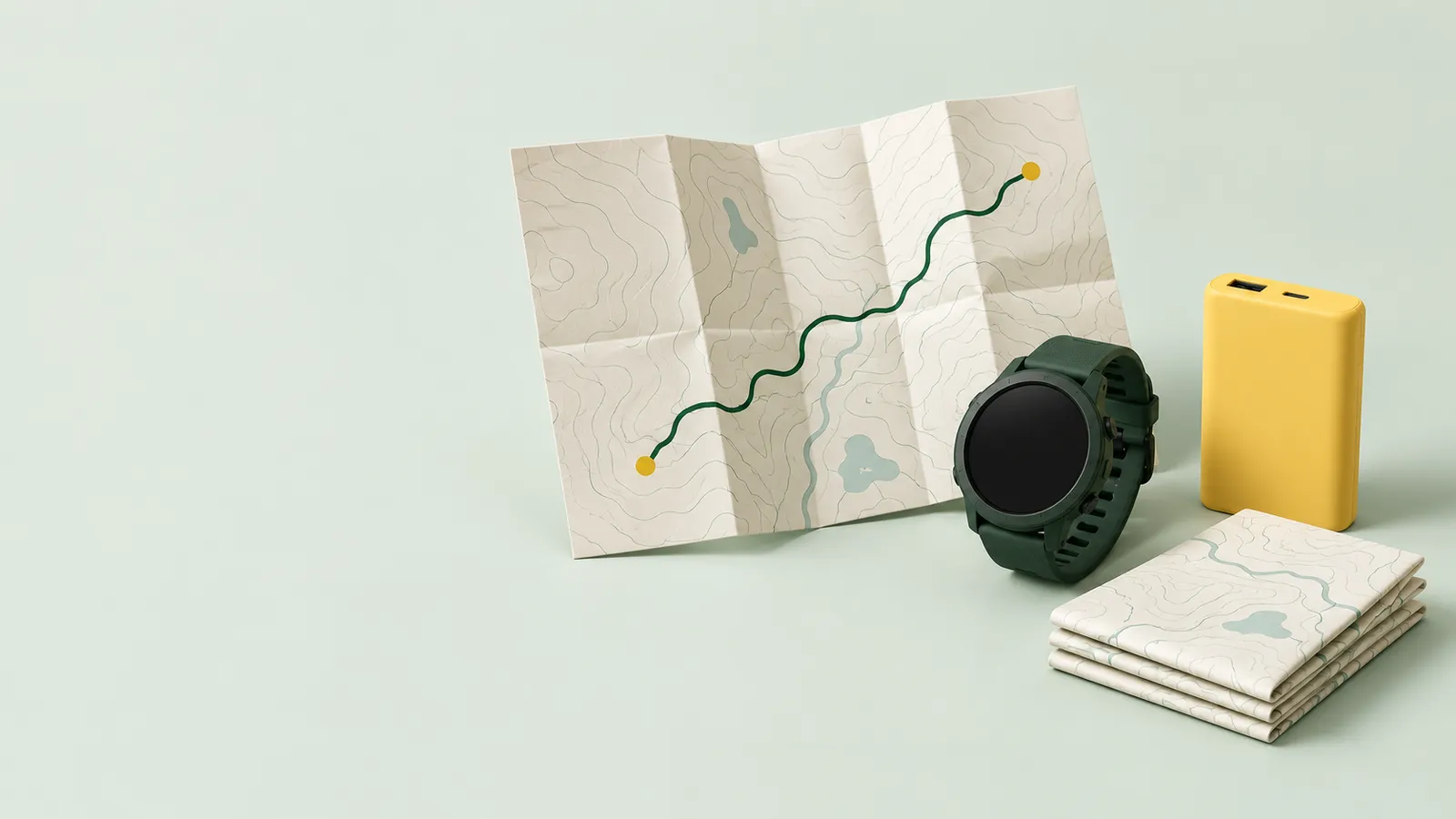
Have another way to find tomorrow.
My Garmin stopped cooperating on Day Three. It had apparently reviewed the remaining distance and decided this project was no longer aligned with its interests.
Andrew supplied his spare watch. For navigation, I also had the routes saved in Footpath, which meant one unhelpful device did not get the deciding vote on where we went next.
- Prepare fallback routes
- Test the backups
- Share the plan
After that, checking the following day became part of the evening routine. Shower, sit down, look through the route, inspect the turns and prepare for another start. Not a particularly glamorous scene, but a useful one.
Make the backup usable before it is urgent. For your own trip, consider a route on the watch, an offline phone map, and a separate copy with the crew or on paper. Test them without reception. Three copies on the same dead device are one problem wearing three hats.
Plan alternative routes for awkward sections too, then share them with the crew. Keep charging options and essential contacts accessible. If the trip has recording or verification requirements, understand those separately; a navigation backup and an accepted activity record are different jobs.
We had enough new problems arriving naturally. Keeping tomorrow’s route available meant we did not have to manufacture an additional one in a hotel room at bedtime.
Try this
Prepare more than one usable fallback for your route, keep at least one independent of your main device, and make sure the crew can use it.