Mizen to Malin: Behind the Story — Part 1
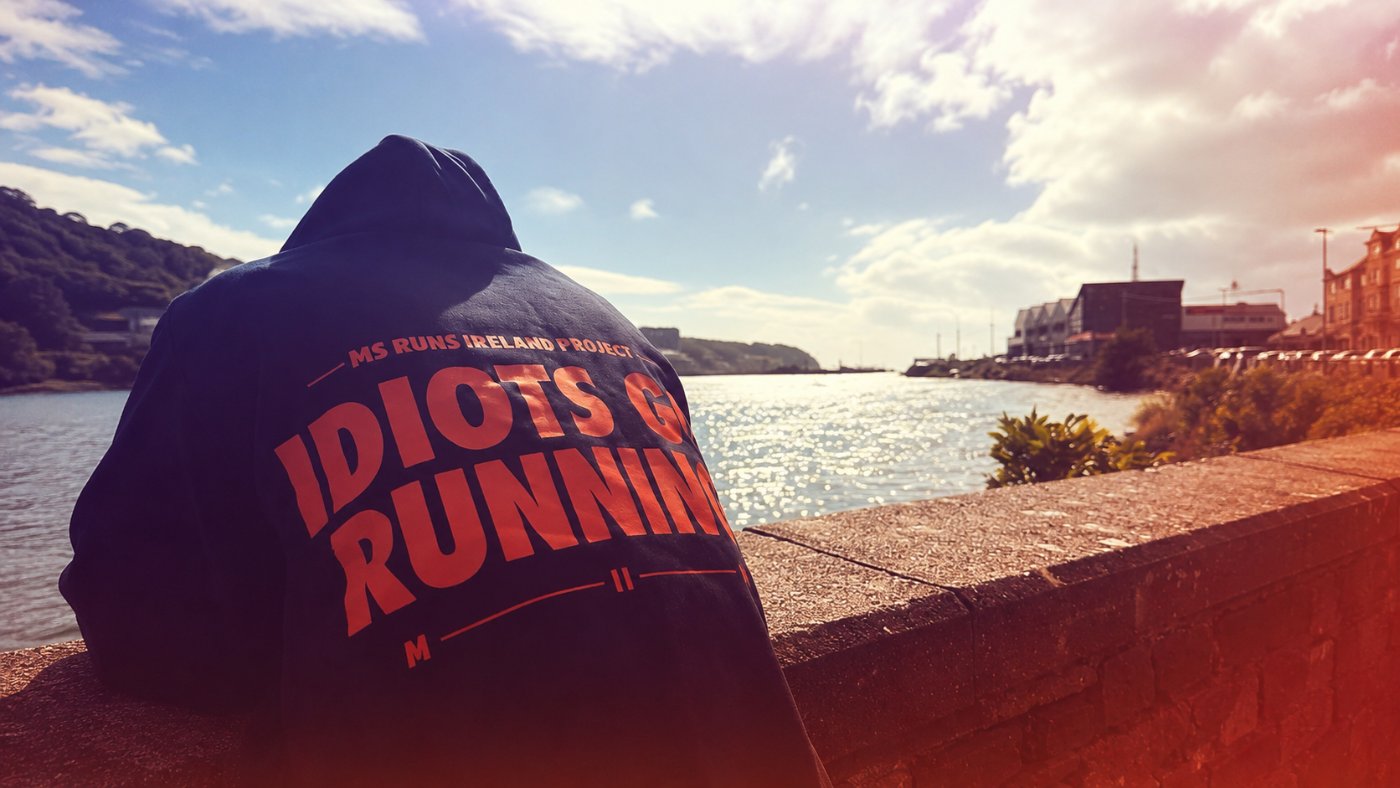
The Adventure Before the Adventure. Months before anyone stood on the rocks at Mizen Head, three idiots were booking hotels, chasing sponsors and arguing over computer screens at midnight.
01 It Starts in a Kitchen
People think running the length of Ireland starts at Mizen Head.
It doesn’t. It starts in a kitchen, months earlier, with a phone buzzing at an hour that suits America far better than it suits Northern Ireland.
Matt was on the other end. Calling from the States, doing the thing Matt does best — describing something enormous as though it were entirely reasonable. We had talked about running the length of Ireland before. We had talked about it the way people talk about learning Spanish or finally fixing the shed. Then came that call, and the conversation quietly changed tense. It stopped being something we might do one day. It became something we were doing next year.
Because here is the part nobody films. Three men with jobs, families, mortgages, physio appointments and a shared inability to say no had just committed to moving 350 miles across a country, in the middle of summer, with two of them living with multiple sclerosis. No crew. No budget. No beds. No vehicles. No real idea how any of it would work.
Everything that followed happened in the gaps. After work. On lunch breaks. In car parks before training runs. In messages sent at 11.40pm and answered at 5.50am. In the ninety minutes between putting kids to bed and falling asleep mid-sentence on the sofa.
We trained, obviously. Miles were run, hills were climbed, feet were destroyed and rebuilt. But the running was the part we already understood. Running has a plan you can follow and a body you can blame.
The hard part was never the miles. The hard part was everything that had to exist before the first one.
You can’t really run the length of Ireland. You can only organise it, then run whatever’s left.
02 Beds First. Always Beds.
The first thing we booked was not a flight, a vehicle or a pair of shoes. It was a hotel room in Cork.
That surprises people. It surprised us. Ask anyone what comes first when planning an eleven-day run and they will say training, or the route, or nutrition. In reality the first job is finding somewhere for four exhausted people to sleep, in Ireland, in summer, on dates that cannot move.
And the dates could not move. Time off work had been booked. Flights were coming from America. Everything downstream was pinned to a set of days that were now effectively carved in stone.
Summer is also when Ireland is full. Weddings, festivals, GAA weekends, tourists, families, campervans. Rooms in the west disappear months ahead. Prices double, then double again. The lovely quiet hotel that looks perfect on a map turns out to be forty minutes from where the day actually ends — and forty minutes at nine o’clock at night, with three broken runners in the back of a van, is not forty minutes. It is an argument.
So accommodation became the skeleton. Everything else hung off it.
Each day needed a realistic finish point, based on mileage we believed three tired bodies could actually cover on day four, or day seven, or day ten, rather than the heroic numbers you type confidently in February. That finish point then had to sit near a hotel that had rooms available, at a price that did not eat the entire budget, with parking for the vehicles and ideally food served after nine.
Move one hotel and you move the day before it and the day after it. Move a day and the mileage shifts. Shift the mileage and suddenly you are asking a man with MS to cover thirty-eight miles instead of thirty-one because somewhere in Longford had a wedding on.
There were weeks when the entire adventure existed only as that grid. No footage, no photographs, no medals — just cells, dates, phone numbers and a running total that kept climbing.
And there is something oddly brilliant about it. It is a puzzle where every piece touches four others, and where the pieces answer emails at their own pace. Solve the accommodation and the route appears. Solve the route and you can finally work out what a day looks like. Work out the day and you can tell a crew what you actually need from them.
You cannot skip it. You cannot pay someone else to care about it. And nobody will ever ask you about it afterwards.
Nobody begins a world-record attempt by phoning a hotel in Kerry. Except we did. Repeatedly.
The Order Everything Had to Happen In
- Accommodation Book the beds first. Summer Ireland sells out, and every bed decides where a day is allowed to end.
- Crew People before products. Without a crew there is no route, no food, no water and no way back to the start line in the morning.
- Funding Work out what it truly costs, then find a way to cover it. Grants and applications before goodwill.
- Sponsors Ask companies to solve specific problems, rather than asking for money in exchange for a logo.
- Equipment Kit tested over months of training, not unwrapped hopefully at the start line.
- Nutrition Fuel three runners for eleven days — then plan for the day they cannot face any of it.
- Media Cameras, socials and evidence. Without them it is just a very long walk with snacks.
- Mizen Head Only now do you get to stand on the rocks and start running.
03 The Crew Came Before the Sponsors
We learned that order the hard way, in 2022.
The first attempt to run from Mizen Head to Malin Head ended early. It was a brilliant, chaotic, badly organised education, and it taught us more than a finish would have.
The biggest lesson had nothing to do with legs.
Never finish your day at the hotel.
In 2022 we let the accommodation dictate the running. If the hotel sat three miles beyond the sensible stopping point, we ran the extra three miles. Multiply that across a week and you have added a marathon nobody planned for, at the worst possible time of day, on the most tired legs of the trip. Those miles are cheap at nine in the morning. They are extortionate at nine at night.
So the 2026 system was simple and slightly ruthless. Run to a point on the route. Stop exactly there. Mark it — GPS, photograph, note. Get in the van. Drive to the hotel, however far away that happens to be. Eat, sleep, wake, drive back to that same point, and start again from the precise metre where the day ended.
- Run to a point
- Stop exactly there
- Mark it
- Drive to the hotel
- Eat, sleep, wake
- Restart on the metre
Written down it seems obvious. It was also the single decision that saved us the most miles across eleven days, and the reason we needed a crew before we needed anything else.
Because that system collapses instantly without people willing to drive back and forth across Ireland while the runners sleep.
Dermot, James, Ross, Jeff and Rachel signed up, in theory, to help with driving.
None of them ended up being drivers.
They became logistics. Navigation. Catering. Physio. Pharmacy. Weather forecasting. Traffic management. Morale. They learned to read a runner from thirty metres away and know whether the answer was food, salt, painkillers, a chair or simply five minutes of silence. They filled bottles, cut sandwiches, found petrol stations, rearranged plans, chased hotels, tracked mileage, held cameras and quietly removed problems before we ever knew they existed.
They also learned when to talk and when to say absolutely nothing, which is a rarer skill than it sounds.
The crew never crossed a finish line first. They were the reason there was a finish line to cross.
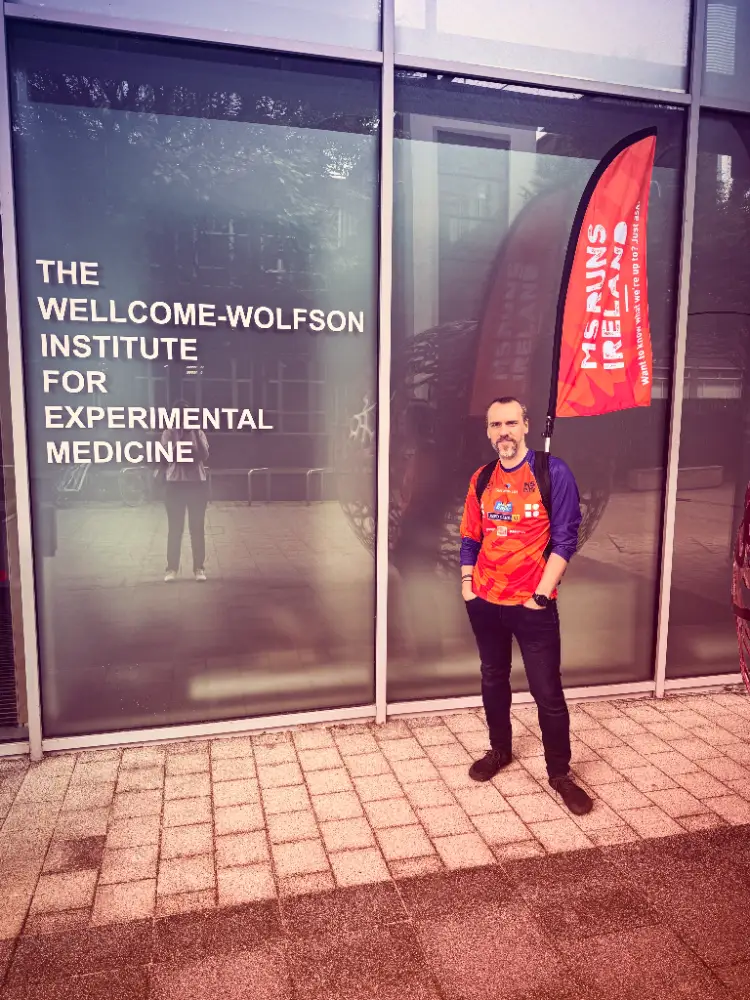
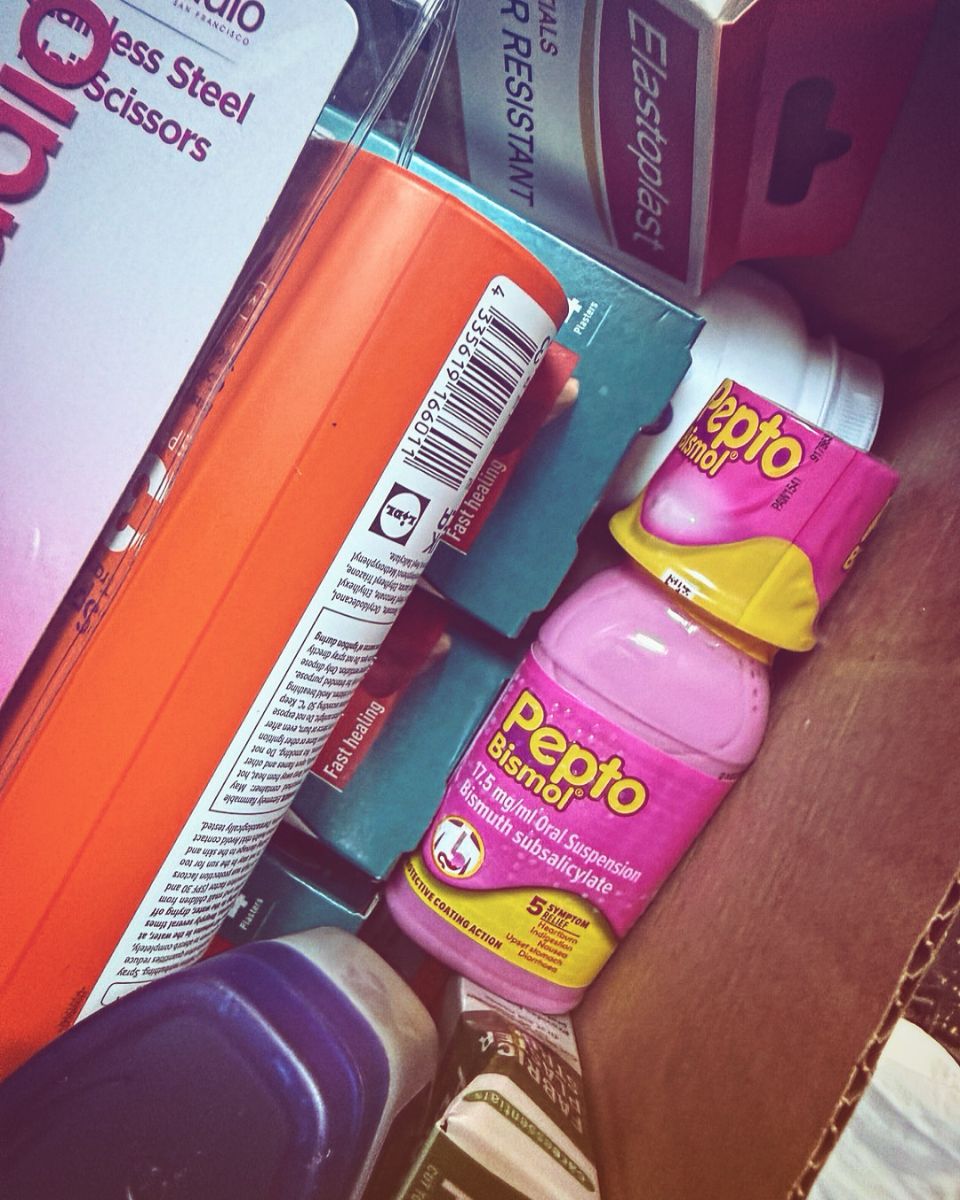
Months of This, Before a Single Mile of That
04 Paying for a Ridiculous Idea
Adventures like this look free on Instagram. They are not.
Three runners and a rotating crew have to sleep somewhere every night for eleven nights. Vehicles have to be fuelled and insured. Everyone has to eat, several times a day, often at inconvenient hours and at motorway prices. There is kit, and replacement kit, and the kit you did not know you needed until day two. There is nutrition, recovery, medical supplies, physio, tape, blister care and an unglamorous amount of laundry.
- Accommodation
- Fuel
- Food
- Kit
- Nutrition
- Recovery
- Medical
- Media
- Insurance
- Contingency
Then there is the media side, which is easy to dismiss until you realise that a Guinness World Record attempt lives or dies on evidence, and that awareness for MS charities does not spread by itself.
None of that is optional, and all of it costs money.
Give as You Live became our first grant programme, and applying for it turned into a small project of its own. There were forms, timelines, budgets and questions that forced us to explain, in plain language, exactly what we were doing and why anybody should care. We also had to make a video — three amateurs, one camera, several takes, and a growing appreciation for how difficult it is to describe a 350-mile idea in ninety seconds without sounding either insane or boring.
It was the first time the project had to justify itself out loud, to strangers, and that turned out to be useful in ways we did not expect.
Funding was never about making money. Nobody is getting rich running to Malin Head. It was about making the thing possible at all — covering the beds, the fuel and the food so that three people with mortgages could take on something enormous without quietly bankrupting their families.
05 Asking Companies to Join the Story
The next stage was harder, because it involved asking.
Sponsorship, when it works, is not begging for money in exchange for a logo on a vest. It is walking up to a company and saying: here is a specific problem we have, and we think you are the people who solve it.
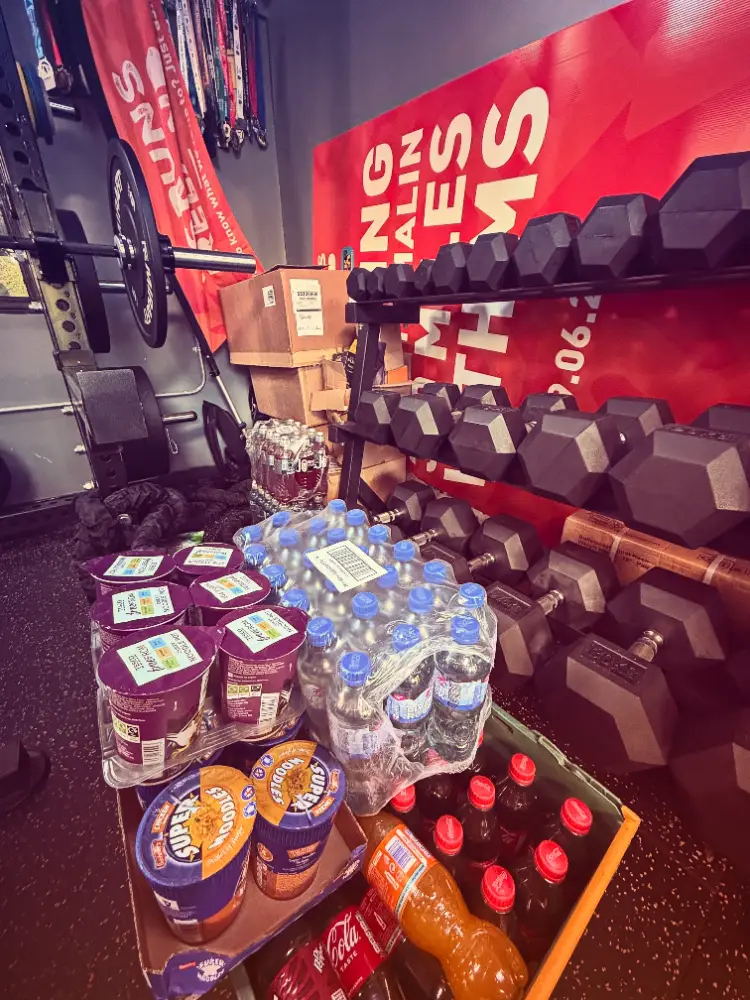
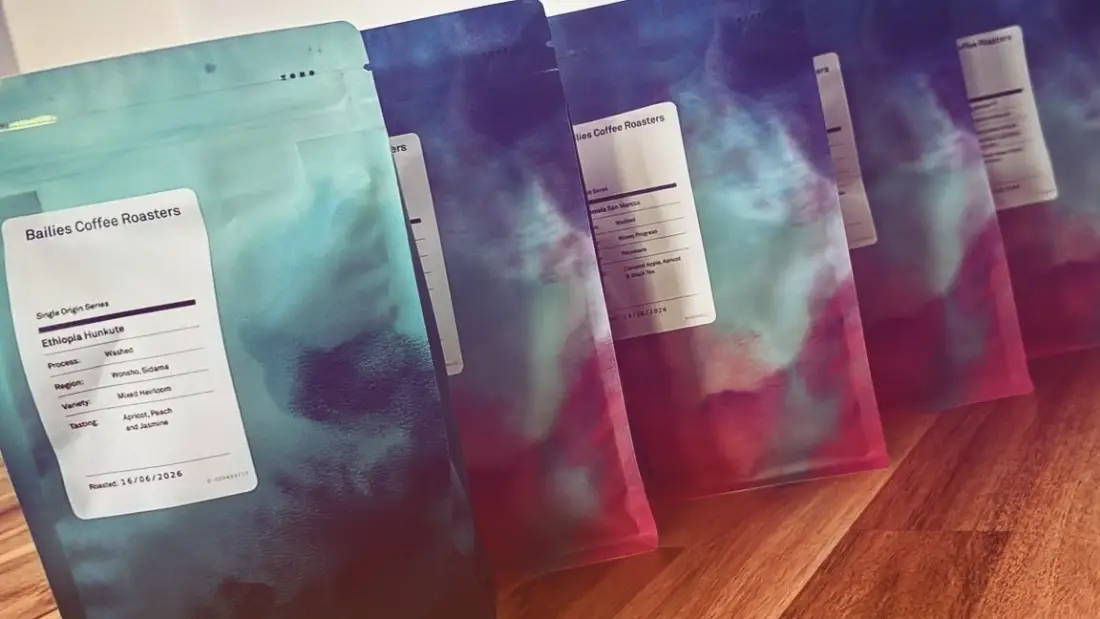
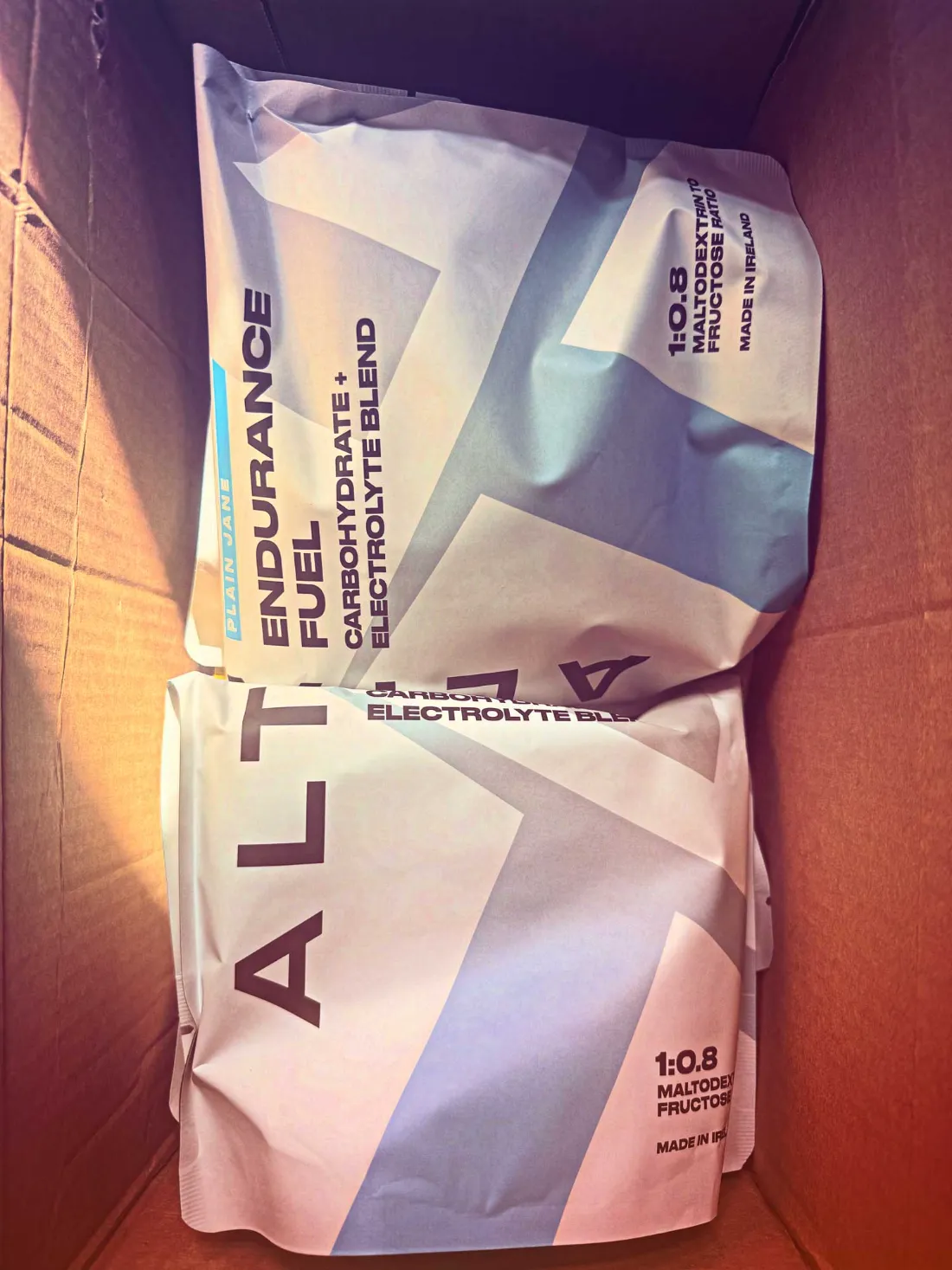
Scimitar sorted the kit we would live in for eleven days. Monkey Sox and Step One handled the things nobody wants to discuss but everybody thinks about by day four. R-Rec and Banner Recovery gave us a fighting chance of getting up the next morning. Protein Rebel and Altar Fuel’s Speed Dust kept fuel going in when appetites disappeared. Maine Energy kept the sugar and the caffeine flowing. Bailies Coffee handled the crew, the mornings and, on more than one occasion, the mood of an entire van.
Others helped with vehicles, gear, exposure and practical favours that never made it onto a website but absolutely made it onto the road.
What Actually Arrived in Boxes
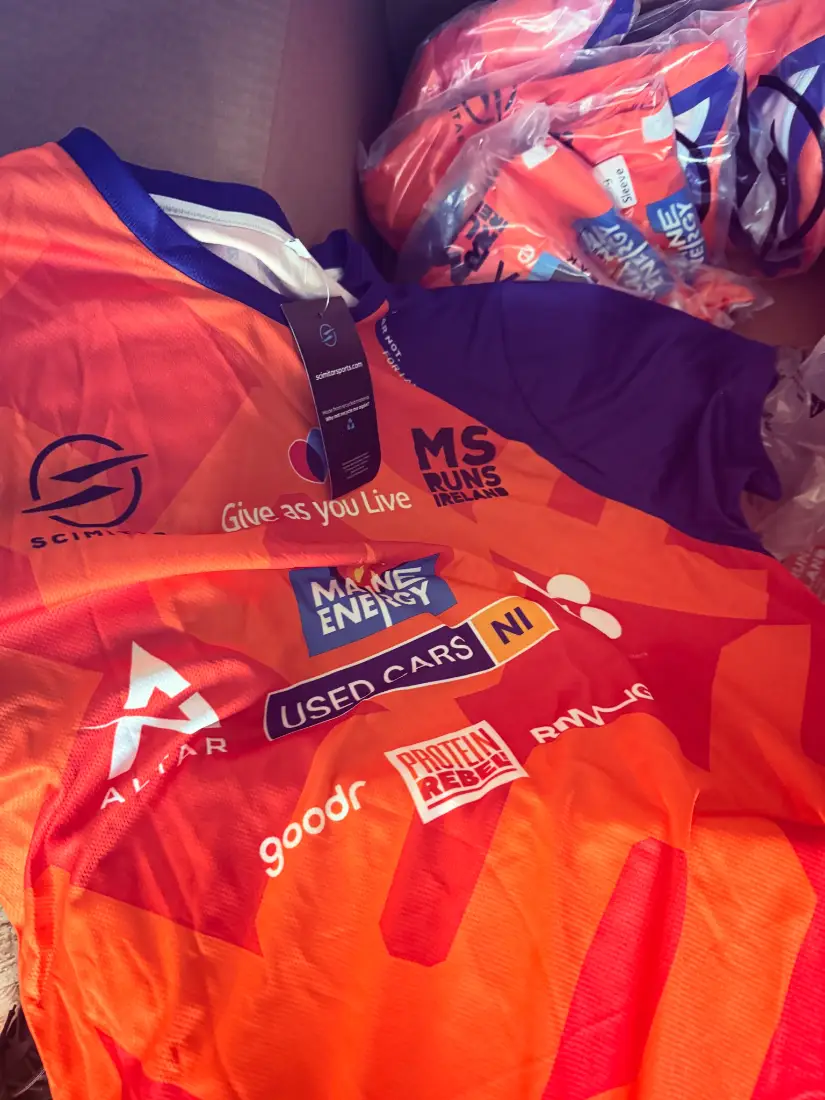
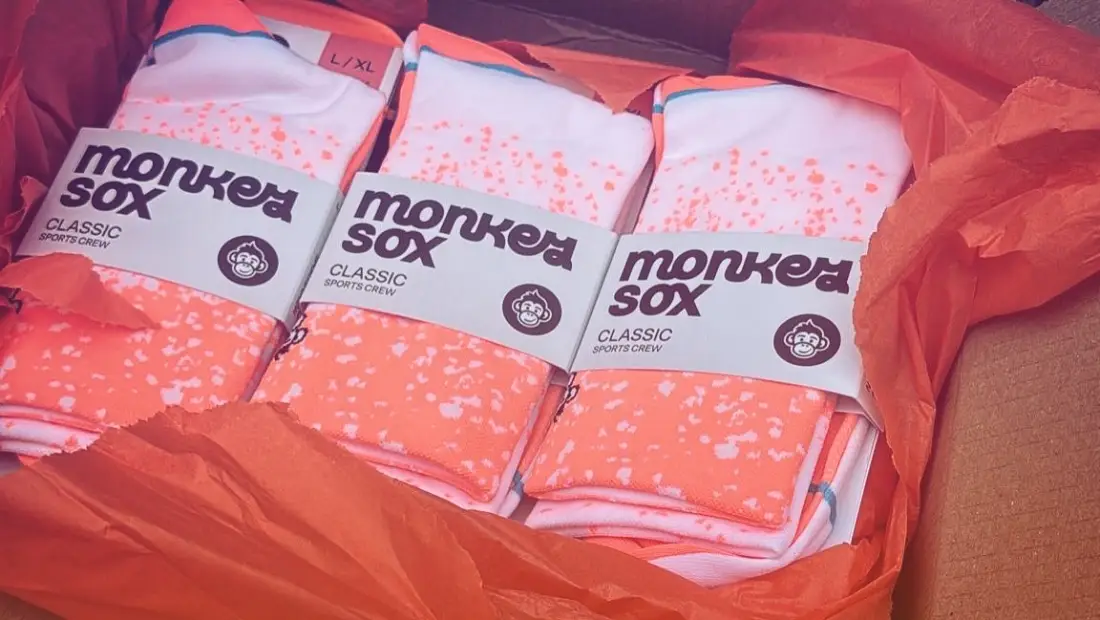
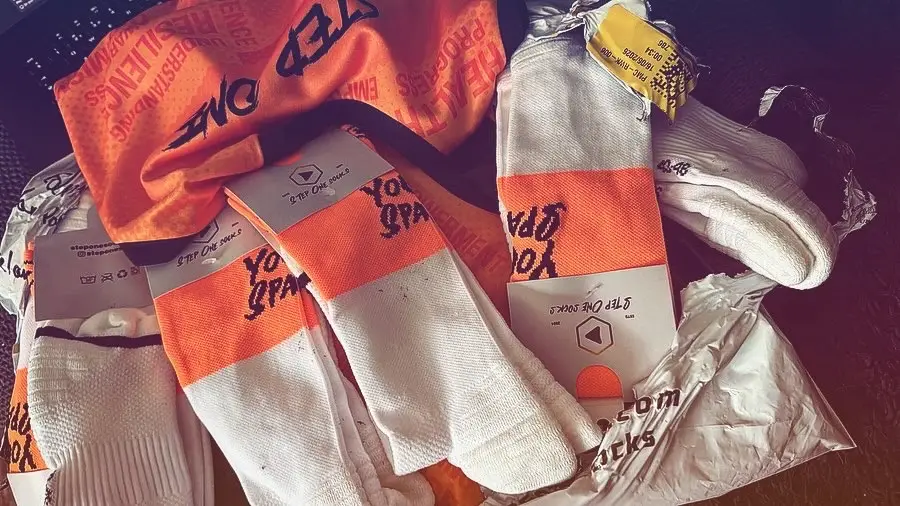
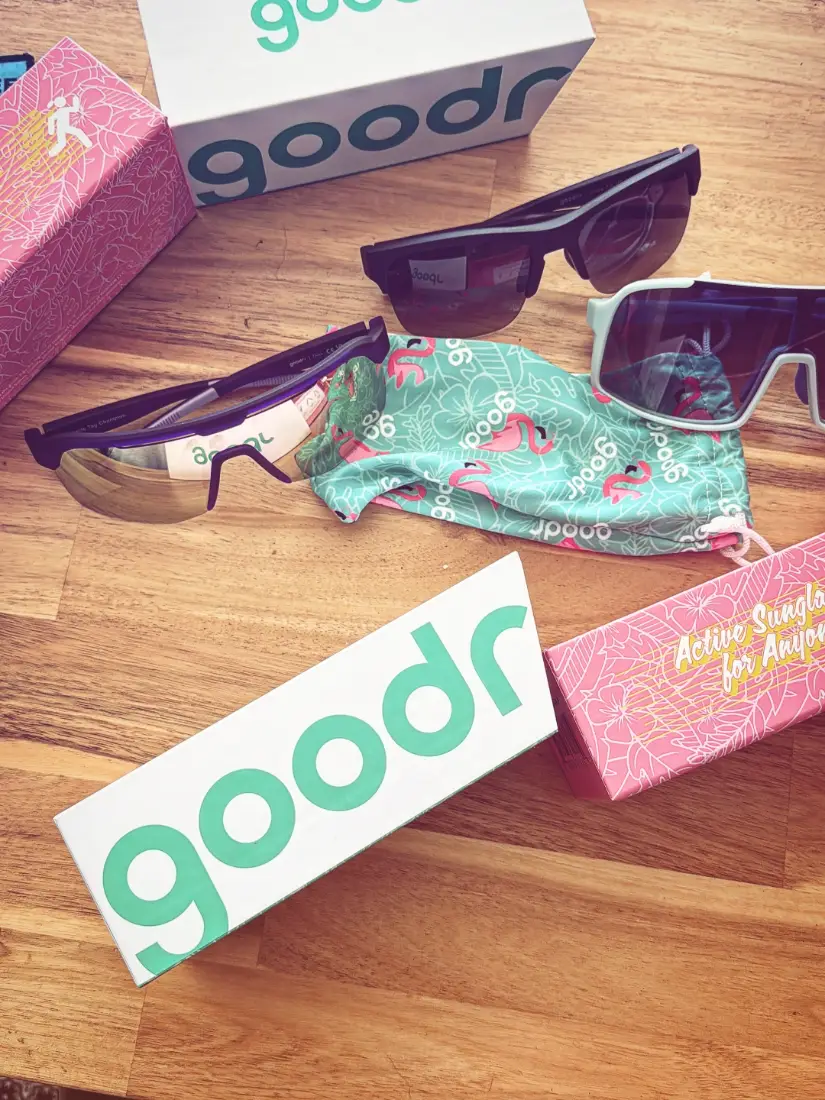
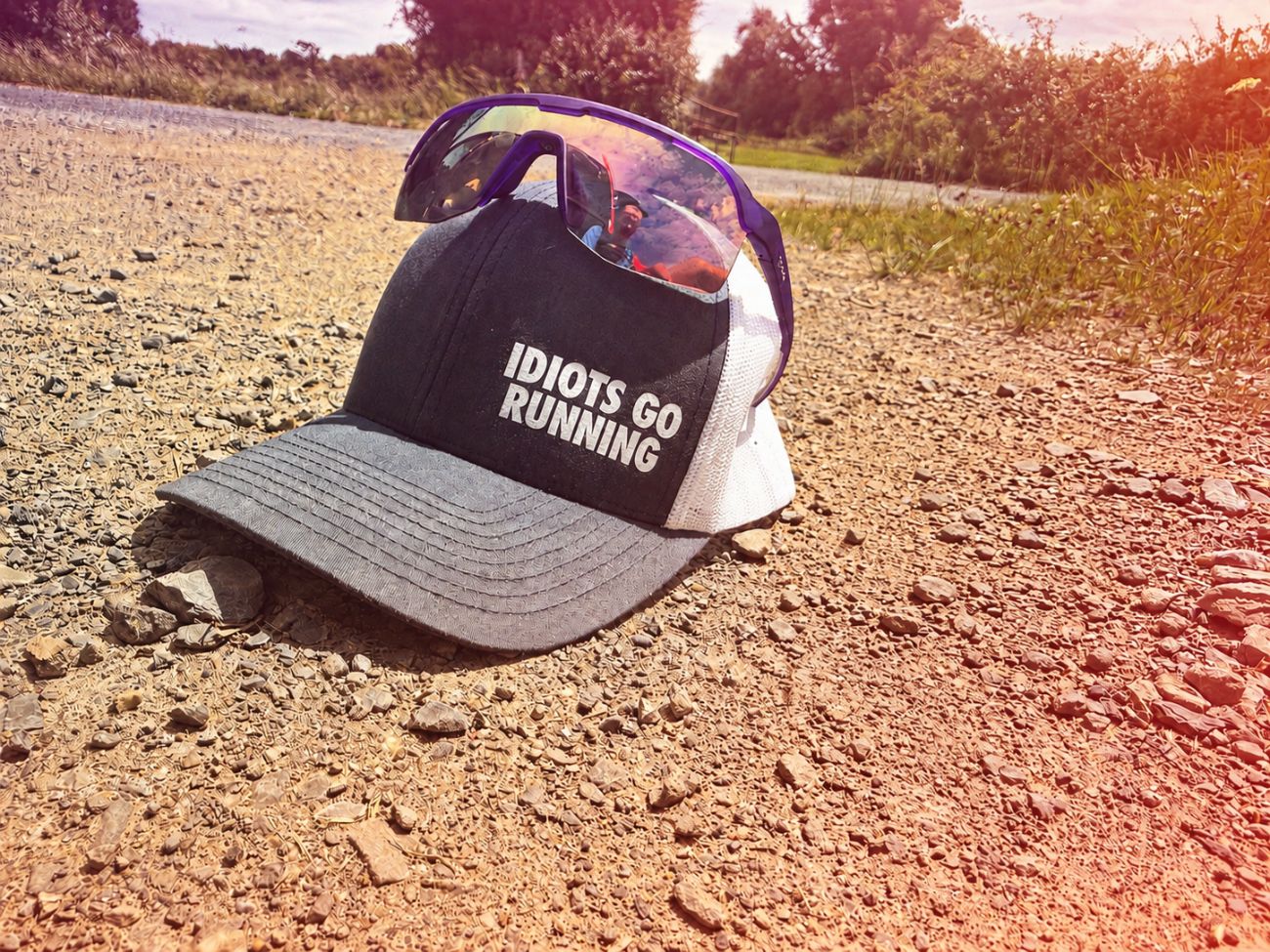
Every single sponsor solved a different problem. That is why the conversations worked. We were not selling attention. We were describing a very long list of things that could go wrong and asking specific people to help us delete a line from it.
By the time we reached Mizen Head, almost nothing we carried was bought in a panic. It had all been tested, argued about and worn in.
06 Three Idiots, Three Jobs
There is a version of this project where all three of us tried to do all of it. That version does not reach Malin Head. It probably does not reach Cork.
Organising something this size with everyone owning everything is not teamwork. It is chaos with extra emails.
So we split it.
Three Idiots, Three Very Different Jobs
Matt
The Record
- Guinness World Record paperwork
- Evidence and witness logs
- Documentation
- Authentication and verification
Andrew
The Ground Game
- Just Train
Colin
Everything Else
- Route
- Hotels
- Sponsors
- Funding
- Crew
- Media
- Equipment
- Logistics
- Website
- Social media
- Emails. So many emails.
Matt took the record. Anyone who imagines a world record is simply a matter of running far enough has never read the paperwork. Every claim needs evidence. Every day needs verification. Every mile needs to be provable to people who were not there and who are paid to be sceptical. Matt handled the documentation, the authentication and the endless administrative precision that turns a long run into an official one.
Andrew took the ground game, and his brief was refreshingly short. Train. Get Mum and Dad to the finish line. Be ready to pick up a call for advice at whatever hour it came. Short lists are not the same as easy lists — of the three, having our parents standing at Malin Head at the right moment was the one with the least room for error.
And I took everything else. Hotels, route, sponsors, crew, funding, media, equipment, logistics, website, social media, planning, and an inbox that at one point felt like a second full-time job.
The Bit That Actually Made It Work
Here is the part I did not expect, and the part I would tell anybody planning something similar.
Nobody worked alone.
Owning an area never meant deciding it. Ideas bounced constantly between the three of us. One person would suggest something. Another would question it. The third would improve it, or point out the obvious flaw everyone else had cheerfully ignored. Then we would ask again, check again, refine again, and quietly discard whatever was left standing on nothing.
It was slower. It was occasionally irritating. It made every plan noticeably better.
Nearly every good decision of the project came out of that loop — the finish-on-route system, the daily mileage splits, how the crew rotated, which sponsors we approached, what we would do when somebody inevitably broke. None of it was one person’s idea. All of it survived because three people had already tried to poke a hole in it.
How did that process hold up once three runners were actually standing on the rocks at Mizen Head, with 350 miles of Ireland in front of them and a plan that had never been tested outside a computer screen?
You’ll have to wait for Part 2.
07 Nobody Applauds a Hotel Booking
Nobody celebrates online research. Nobody applauds a confirmation email. There is no Instagram post about the fourteenth follow-up message to a hotel in Donegal, and no highlight reel of a man in a kitchen at midnight, comparing petrol prices and moving a colour-coded cell from amber to green.
The photographs come later, and they only ever show the running. That is fair enough — the running is the beautiful part. But the running was eleven days. Everything else was months.
Every adventure you have ever admired began long before the start line, in exactly this way: quietly, awkwardly, and mostly in the evenings.
By the end of it, we had beds, crew, funding, sponsors, kit, food, cameras, a route, a record application and three runners who were about as ready as three people with jobs and two MS diagnoses can reasonably be.
What we did not have was any idea what Ireland was about to do to us.
That starts in Part 2, on the rocks at Mizen Head, at the exact moment the plan stopped being a plan and became weather, tarmac, blisters and decisions made on no sleep.
Mizen to Malin, behind the story
- Part 1: The Build-Up A year of spreadsheets, sponsors and slowly losing the run of ourselves.
- Part 2: Day One Mizen Head to Gougane Barra. Twenty-one miles and one very big question.
- Part 3: Life on the Road Rhythm, routes, a dead Garmin, a silent supper and seventeen seconds of ice.
- Part 4: It Gets Stranger Uncle Sam, the wrong anthem, the longest day, a castle at halfway and a heatwave.
- Part 5: The Big Guns Cow cream, chalk messages, ice lollies from a stranger and the day our families found us.
- Part 6: Malin Head No crew, half a bakery, two finish lines and the last mile and a half of Ireland.
Nobody applauds a hotel booking. But every adventure begins long before the start line.
Coming in Part 2
Part 2 picks up at Mizen Head, where months of computer screens finally meet the road.
Day one, the first proper mileage, the first thing to go wrong, and the discovery of how much of a plan survives contact with actual Irish weather.
There will be crew problems, body problems, weather problems and at least one decision that seemed sensible at the time.
If you want to know how eleven days across a country actually unfolds — the good, the grim and the genuinely funny — that is where it starts.
Part 2 lands soon. Sign up to the newsletter and we will send it straight to you.
Our Sponsors, Supporters & Charity Partners
None of this would have been possible without the businesses, organisations and charities that supported the project, believed in what we were trying to achieve and helped us travel from Mizen Head to Malin Head.